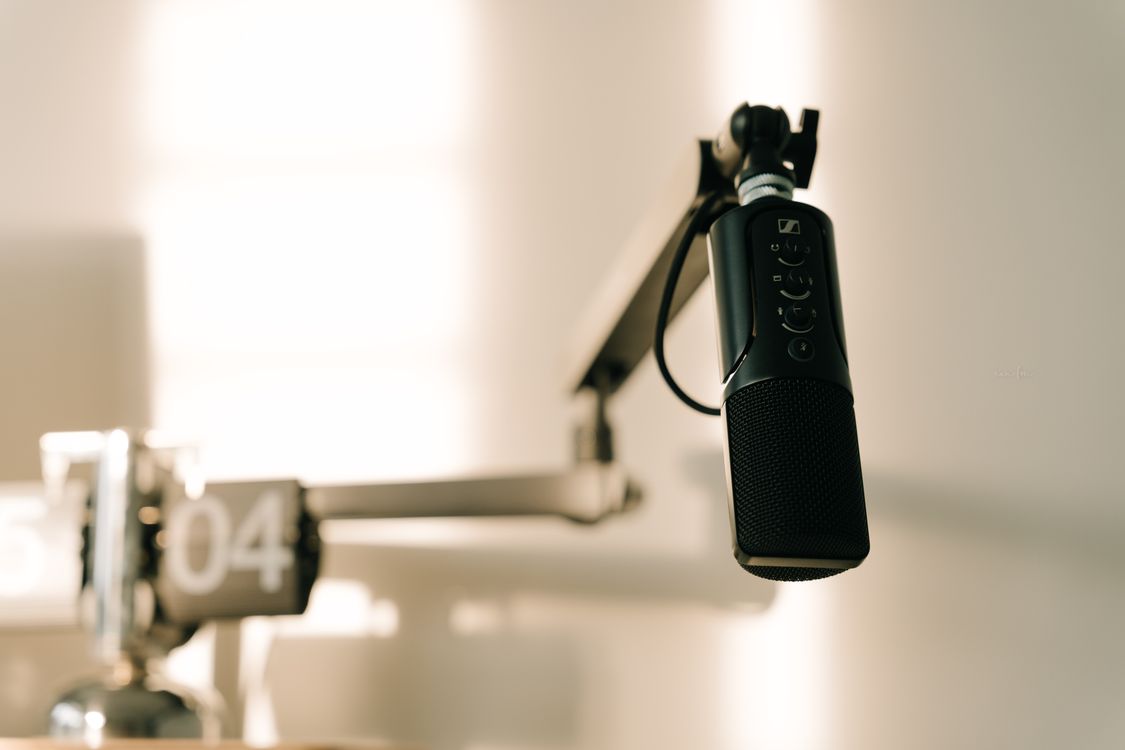
A recording booth looks simple from the outside. A person stands in front of a microphone and reads a script. Yet every producer who has shipped a product video to five countries knows the real work happens long before anyone presses record. Scripts must be adapted. Talent must be cast. Timing must be rebuilt so that a sentence that lasted four seconds in one language does not run for six in another. This guide walks through how experienced teams plan audio for global audiences and where professional help changes the outcome.
Start With the Audience Not the Script
Planning begins with the people who will listen. A training video for factory staff in Warsaw needs a very different delivery from a product teaser aimed at young shoppers in Madrid. Producers who skip this step often end up rewriting scripts after the first recording session. Spend an afternoon listing who the viewers are and where they will watch. Note the devices they use and the noise around them. A commuter on a train needs clearer and slower narration than a viewer in a quiet office. These facts guide every later decision about voice and pace.
Why Direct Translation Rarely Fits the Timeline
Languages expand and contract in ways that surprise newcomers. Spanish text often runs about twenty percent longer than English while some Asian languages run shorter. A narrator cannot simply speak faster to fit the same picture. The script has to be adapted so that meaning survives while the length stays close to the original. Skilled linguists trim filler and reorder clauses so that key words land on the matching image. This craft is closer to rewriting than to word swapping and it should be budgeted that way from the start.
Casting Talent That Sounds Local
A native speaker is the minimum requirement. The better question is which kind of native speaker. A Mexican accent and a Castilian accent send different signals to listeners in their own markets. Casting directors listen for regional markers and age and energy. They also check that the performer has experience with the subject matter. Wikipedia notes that voice acting traditions differ widely between countries and industries. Ask for demo reels in the exact accent you need and request a short paid test read before you commit to a long project.
Matching Tone to Brand Personality
Brands carry a personality that listeners can feel even without a logo on screen. A bank may want calm authority while a game studio may want playful energy. The same brand must keep that personality in every language. Write a short tone guide with three or four adjectives and a few sample lines. Share it with each performer before the session. When a Japanese narrator and a Brazilian narrator both receive the same guide the final videos feel like members of one family even though the voices are entirely different.
Preparing a Script for Recording
A clean script saves expensive studio minutes. Remove tracked changes and hidden comments. Break long paragraphs into breath sized lines. Mark pauses and emphasis in a way the performer understands. Spell out numbers and dates and abbreviations exactly as they should be spoken. Include timing notes beside each scene so the engineer can check length in real time. Ten minutes of preparation here can remove an hour of retakes later.
Choosing the Right Studio Setup
Sound quality is not optional. A home recording with room echo or traffic noise will sound amateur next to the polished video it accompanies. Professional studios offer treated rooms and quality microphones and trained engineers who catch mouth clicks and plosives. Remote sessions can work well when performers use certified home booths and when engineers monitor the feed live. Decide early whether the project needs in person direction or whether a remote link is enough. Complex emotional performances usually benefit from a director in the room or on a live call.
Handing Off Casting and Production
Coordinating casting and scripts and recording in several countries can swallow the time of a small marketing team. That is why many companies hire voice over services that manage the whole chain from adaptation to final mastered files. A good provider keeps a roster of vetted native performers and runs quality checks and delivers files in the formats your editors need. The saving comes not only from fewer mistakes but also from a single point of contact who answers questions across time zones.
Quality Control and Review Rounds
Review is where good projects become great ones. Ask a second native speaker who was not involved in recording to listen to the final files. They will notice awkward stress and slips that the original team missed. Limit feedback rounds to two so that the schedule stays under control. Give notes with timestamps and a clear description of the change rather than vague comments such as make it warmer. Engineers can fix a precise note in minutes while a vague one may trigger an entire new session.
Syncing Audio With Video
Even a perfect recording fails if it drifts away from the picture. Editors should receive the audio in separate stems so they can adjust timing without damaging the music or sound effects. When the footage shows people speaking on screen the team must decide between full lip sync work and a lighter approach with a narrator speaking over the original sound. Each option has a different cost and a different feel. Teams who want background on the method can read about the history of dubbing before they decide.
Using Software to Cut Repetitive Work
Production teams spend a surprising amount of time on repetitive chores such as renaming files and tracking approvals and sending status reminders. Modern ai automation tools can handle many of these tasks so that producers can focus on creative judgment. A simple workflow might create folders for each language and notify reviewers when a new file arrives and collect sign off in one place. Automation will not replace a human ear in the studio but it removes friction around it and keeps projects moving.
Measuring Results After Launch
Launch day is not the finish line. Track completion rates and viewing time and viewer feedback for each language version. If one market drops off earlier than the others the cause may be tone or pacing or audio quality rather than the topic itself. Gather comments from local colleagues and customers who can describe what felt off. Feed those findings into the next project so that the tone guide and the script checklist improve. Over time this feedback loop turns a one off recording into a repeatable system.
Practical Takeaways for Producers
Good audio for global audiences rests on preparation and respect for each local market. Define the audience and adapt the script and cast carefully and protect the recording environment. Review with native ears and measure what happens after release. Teams that follow these steps spend less on corrections and publish faster. They also earn something harder to buy which is the trust of listeners who feel the content was made for them and not merely converted from another language.